
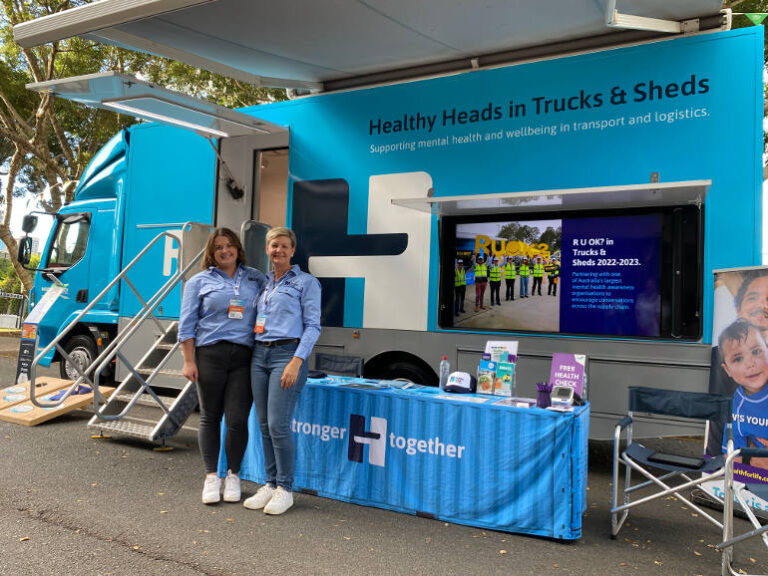
Geotab, a global leader in connected vehicle and asset solutions, has partnered with Healthy Heads in Trucks & Sheds (Healthy Heads) as a Premier Partner to tackle one of the transport industry’s toughest challenges: mental health and wellbeing.
Healthy Heads, established in 2020 by industry leaders including Australia Post, Woolworths, Toll, Linfox and Coles, is a not-for-profit foundation dedicated to supporting the mental health of workers across transport, warehousing and logistics. Its mission is to build resilience and sustainability in a sector that underpins the nation’s supply chain.
Sean Killen, Vice President of Global Markets at Geotab, said the collaboration is about addressing the daily pressures drivers face:
“Driver safety and well-being is at the core of Geotab’s mission. Long hours, isolation, congestion and tight delivery deadlines are some of the factors contributing to this situation. Plain and simple, being a truck driver is difficult. We are proud to support Healthy Heads, together we can bring visibility to mental health and wellbeing, making it an ongoing priority across the industry.”
Recent research conducted by Geotab highlights the scale of the issue. More than two-thirds (68%) of drivers reported that work-related stress negatively affects their driving performance, while 78% said mental health issues contribute to road dangers. Alarmingly, over a third (34%) had considered quitting their jobs in the past year.
The partnership will deliver awareness campaigns, early intervention programs and data-driven initiatives aimed at improving mental health outcomes. Geotab’s telematics and analytics capabilities will be used to co-design practical and scalable programs that businesses of all sizes can adopt.
Naomi Frauenfelder, CEO of Healthy Heads, welcomed the collaboration:
“Geotab brings deep expertise in safety, data and connected fleet technology, all of which are capabilities that align with our mission to improve the wellbeing of every individual in the logistics supply chain. We look forward to working together to make a lasting difference across the sector.”
For an industry that employs hundreds of thousands of Australians, the partnership represents a meaningful step towards safer, healthier and more sustainable workplaces.
- Hino 500 Series Means Business
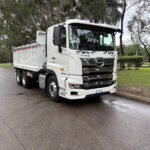
 Hino is putting Australian operating experience at the centre of its 2027 medium-duty 500 Series, highlighting an established driveline alongside standard safety technology and connected fleet support. Since the platform’s introduction in 2019, the 500 Series has worked across applications ranging from freight and construction to council services and towing. For fleet managers assessing replacement
 - Three risks behind more than a third of major truck incidentsInattention, inappropriate speed and inadequate following distance accounted for 38% of major heavy vehicle incidents in 2025, according to new research that gives fleet managers a clear starting point for reviewing their safety priorities. The 2026 National Truck Accident Research Centre (NTARC) Major Incident Investigation Report found human factors contributed to 54.7% of all major incidents analysed.
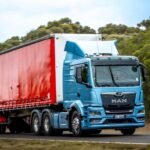
- MAN TGS wins 2026 Fleet Truck of the Year – Heavy DutyThe MAN TGS has been named the 2026 Fleet Truck of the Year – Heavy Duty, taking the top spot in the Fleet News Group Best Value Analysis with an overall score of 7.730 out of 10. The MAN finished ahead of the Hino 700 Series, which scored 7.600, and the Volvo FH16, which recorded 7.495, making the Heavy Duty category one of
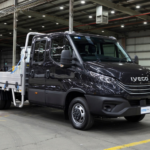
- IVECO Daily wins 2026 Fleet Truck of the Year – Light DutyThe IVECO Daily Cab Chassis 50C has been named the 2026 Fleet Truck of the Year – Light Duty, finishing on top of the Fleet News Group Best Value Analysis with an overall score of 6.010 out of 10. The Daily finished ahead of the Isuzu NPR , which scored 5.741, and the Hino 300 Series, which recorded 5.030. While all three finalists
- Modern trucks could help the industry tackle its driver challengeThe heavy vehicle industry’s driver shortage is not only a recruitment problem. It is also forcing truck manufacturers and fleet operators to reconsider the working environment they provide drivers. Hino Australia President and CEO Richard Emery believes the industry needs to do more over the coming years to encourage people to consider truck driving as