

Transport operators are being encouraged to look beyond the hype surrounding artificial intelligence, autonomous vehicles and alternative fuels, and focus on technology that delivers genuine improvements in safety, productivity and fleet performance.
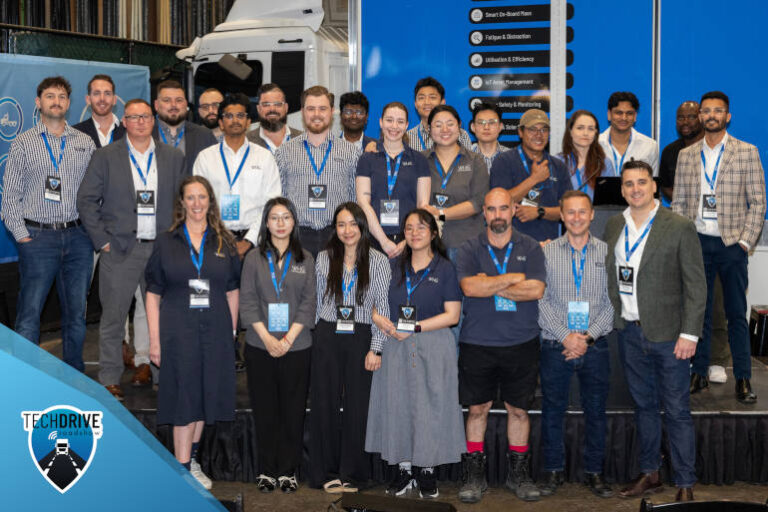
That was one of the key messages from TechDRIVE Melbourne 2026, where a capacity crowd of transport operators, regulators, manufacturers and technology providers gathered to discuss the future of Australia’s heavy vehicle industry.
Hosted by WHG Technologies at Seaworks Maritime Precinct in Williamstown, the event highlighted how rapidly transport technology is evolving, while reinforcing the importance of getting the fundamentals right.
Technology needs to solve real problems
Artificial intelligence is attracting plenty of attention across the transport industry, but the challenge for fleet operators is understanding where it can make a difference.
A panel featuring DHL, MCM Logistics, Allotrac, Ramco Systems and WHG Technologies explored how AI and automation can reduce administrative workloads, improve the flow of operational information and support better decision-making.
The discussion also raised questions about data security and the importance of choosing technology suited to the specific requirements of transport businesses.
For fleet managers already dealing with multiple software platforms, compliance obligations and increasing amounts of vehicle data, the opportunity is to simplify operations rather than add another layer of complexity.
WHG Director of Digitalisation Calvin Hartley challenged the industry to expect more from technology suppliers, particularly as integration, reliability and ongoing support become increasingly important.
“When we improve our products, our service and the way we support our customers, it creates greater competition in the market, which is good for our industry,” Hartley said.
Autonomous vehicles are getting closer
The Australian debut of Ten-League’s Zelos Z10 autonomous delivery vehicle provided a practical demonstration of how emerging technology could change freight operations.
Already being deployed in overseas logistics markets, the autonomous delivery vehicle was demonstrated at the Melbourne event, giving transport operators an opportunity to see the technology in action.
While autonomous delivery is still an emerging opportunity for Australian operators, the demonstration showed how the industry is exploring new approaches to moving freight.
Alternative fuels were another major discussion point, with representatives from Viva Energy Australia, CMV Truck & Bus, Daimler Truck Australia and Ten-League examining the changing energy landscape.
The discussion reinforced that future fleet decisions will depend on operational requirements rather than a single preferred technology.
Payload, vehicle utilisation, route profiles and infrastructure availability will continue to influence which powertrain is appropriate for each application.
Safety innovation goes beyond the vehicle
Driver fatigue and mental health were also prominent themes, demonstrating that improving fleet safety requires more than advanced vehicle technology.
Wettenhalls shared its experience participating in the Australian FleetPREDICT trial, which uses Garmin wearable technology to help identify emerging fatigue risks.
Developed through a partnership between WHG Technologies and Sleep Advice Technologies, the system aims to help operators intervene earlier rather than relying solely on traditional fatigue management approaches.
Healthy Heads in Trucks & Sheds also participated, bringing its Roadie mobile health and wellbeing clinic to provide health checks and support for attendees.
Regulation and infrastructure must keep pace
The event also examined the role of government and regulators in supporting transport innovation.
Representatives from the Victorian Transport Association, Transport Certification Australia and the National Heavy Vehicle Regulator discussed infrastructure, workforce pressures, trusted telematics and regulatory reform.
Victorian Transport Association representative Peter Anderson said technology alone would not deliver the industry’s future.
“The lesson for policymakers is simple: technology must be supported by the right infrastructure, workforce settings and regulatory frameworks,” Anderson said.
It’s an important consideration for heavy vehicle operators investing in new systems and vehicles. The benefits of innovation can be limited when infrastructure, regulation or workforce capability fails to keep pace.
Fleet operators need to prepare for change
WHG CEO – Australia Dylan Hartley said the event demonstrated the value of collaboration across the industry.
“TechDRIVE continues to grow thanks to the support of our industry. It’s an opportunity to bring people together, showcase what is being developed across transport and technology, discuss the direction of our industry, and celebrate the people and businesses making it happen,” Hartley said.
For fleet operators, the takeaway from TechDRIVE was that innovation is not simply about adopting the latest technology.
It’s about understanding the business problem, selecting the right solution and ensuring the people, processes and infrastructure are in place to make it work.
As the heavy vehicle industry navigates changes in energy, automation and regulation, those fundamentals will remain essential to running a safe, productive and efficient fleet.