

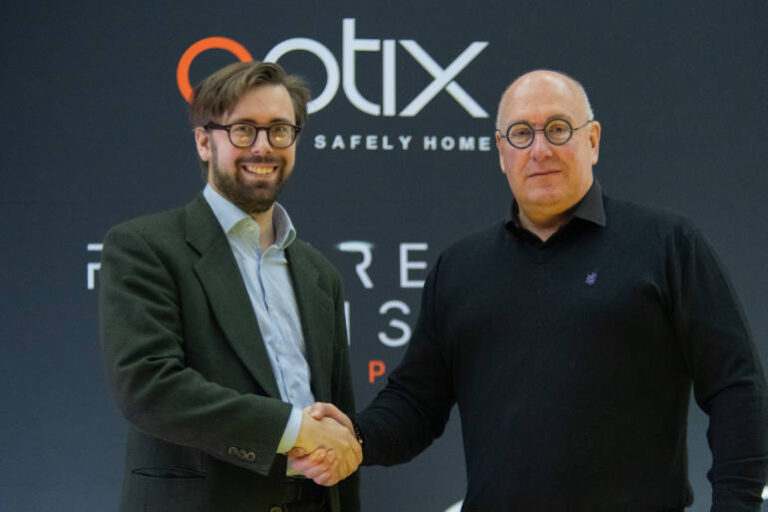
Heavy vehicle operators will have access to a more integrated approach to fatigue management following a partnership between driver monitoring technology specialist Smart Eye and fatigue management provider Optix.
The partnership combines Smart Eye’s AI-powered driver monitoring technology with Optix’s 24/7 human intervention service and predictive analytics, helping transport operators identify fatigue risks and take action before incidents occur.
Driver fatigue remains a significant challenge for the road transport industry, particularly for operators managing long-distance routes, overnight deliveries and demanding schedules.
While in-cab monitoring systems have become increasingly sophisticated, many solutions focus on detecting fatigue and alerting the driver. The challenge for transport operators is ensuring those warnings lead to appropriate action.
The Smart Eye and Optix partnership aims to bridge that gap by connecting real-time driver monitoring with specialist support that can respond when fatigue is detected.
From detection to intervention
Smart Eye’s AIS driver support system uses artificial intelligence to monitor signs of driver drowsiness, distraction and impairment.
When a critical fatigue event is identified, Optix’s Control Tower specialists can intervene, working with fleet operators to determine an appropriate response.
The system also uses predictive analytics to identify patterns and emerging fatigue risks, drawing on data from millions of monthly events and Optix’s experience in fatigue management.
The companies have structured the solution around four key functions: detection, action, prediction and prevention.
For heavy vehicle operators, this approach could provide an additional layer of protection by ensuring fatigue alerts are not simply recorded or left for drivers to manage themselves.
Supporting drivers and transport operators
Waldo Boshoff, Chief Technology Officer at Optix, said the partnership recognises the importance of human intervention when managing fatigue.
“Every alert in our Control Tower is a real person, a parent, partner, or friend often far from home and at their most vulnerable. Fatigue isn’t a choice; it’s a condition that demands real action, not just an automated warning.
“With Smart Eye’s world-class driver monitoring and Optix’s round-the-clock intervention, we’re delivering more than just alerts, we’re giving fleets the power to actually prevent fatigue-related incidents. Together, we make sure drivers, and everyone sharing the road with them, get safely home.”
John Finér, Chief Technology Officer at Smart Eye, said the collaboration would combine established driver monitoring technology with operational support.
“For more than 25 years, we have developed technology that helps systems understand human behavior. Our AIS driver support system brings that experience to commercial fleets, detecting signs of drowsiness, distraction and impairment in real time.
“Combining AIS with Optix’s human intervention and predictive intelligence gives fleet operators both the information and the operational support to better manage fatigue-related risks.”
A practical approach to managing fleet risk
For Australian heavy vehicle operators, fatigue management is a critical part of meeting safety obligations under the Heavy Vehicle National Law and managing risks associated with Chain of Responsibility requirements.
While monitoring technology can help identify potentially dangerous driving conditions, fleet managers still need effective systems for responding to fatigue events and ensuring drivers are supported.
Combining automated detection with human intervention could help operators strengthen these processes, particularly when vehicles are operating outside normal business hours or across multiple locations.
The predictive capabilities may also provide valuable information for reviewing work schedules, identifying recurring fatigue risks and improving safety management practices.
For fleet managers, the broader opportunity is to move beyond collecting driver monitoring data and start using that information to make operational decisions.
The partnership reflects a growing focus across the heavy vehicle industry on connected safety technology that supports both drivers and fleet operators.
Rather than treating fatigue alerts as isolated events, the integrated approach aims to provide a clearer picture of driver risk and the ability to respond when intervention is needed.
For transport businesses, that could mean stronger fatigue management practices, improved driver protection and greater confidence that critical safety warnings are being acted upon.