





Selecting an engine is rarely just about horsepower. In heavy transport and industrial operations, the real challenge is matching the engine to the work it will perform — day after day, in specific conditions, with predictable demands on performance, reliability and fuel consumption.
That process, known as application engineering, plays a critical role in determining how equipment performs over its lifecycle. Whether the asset is a linehaul truck, a mining machine or a standby generator, the way an engine is specified for its operating environment can influence everything from maintenance costs to productivity and fuel efficiency.
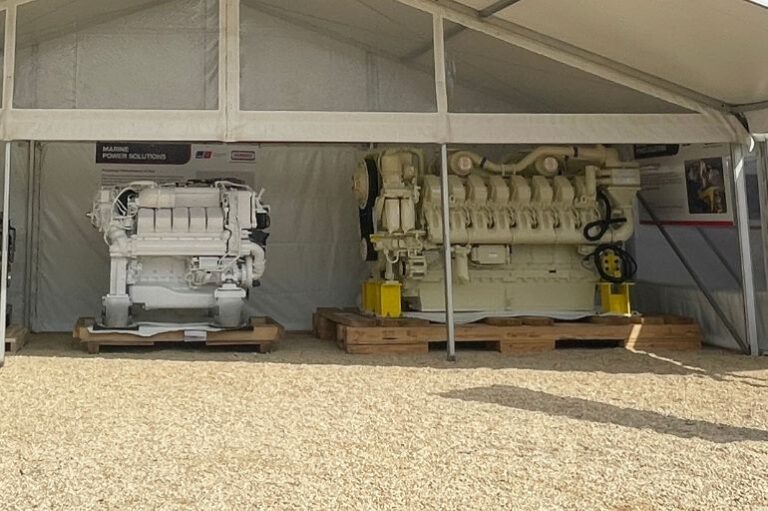
The importance of application engineering was a recurring theme during the Power of Penske Showcase at the Australian Automotive Research Centre (AARC) in Anglesea during March, where technical teams explained how engines and power systems are configured to suit different operating conditions. The discussion reinforced a practical lesson for fleet and asset managers: the right engine is not necessarily the biggest or most powerful one — it is the one best suited to the job.

Understanding the Work Before Selecting the Engine
Application engineering begins with understanding how equipment will be used. Duty cycles, load requirements, terrain and operating hours all influence the performance demands placed on an engine.
In freight transport, for example, a vehicle operating on long highway routes requires a different engine specification from one performing stop-start deliveries in urban environments. In mining or construction, equipment may operate under constant load in high-temperature conditions, placing additional stress on engine components. In power generation, standby generators must be capable of delivering reliable output immediately when called upon, often after long periods of inactivity.
Each of these scenarios requires a different balance between power, efficiency and durability.
When engines are correctly matched to their operating conditions, they tend to perform more consistently and require fewer unscheduled repairs. When they are mismatched, the result can be higher fuel consumption, accelerated wear and reduced reliability.
Avoiding Over-Specification and Under-Specification
One of the most common challenges in engine selection is balancing performance with efficiency. Specifying an engine that is too small for the application can lead to excessive strain and premature component wear. Conversely, specifying an engine that is larger than necessary can increase fuel consumption and operating costs without delivering meaningful performance benefits.
Application engineering helps avoid both scenarios.
For Fleet Managers, this is particularly important when equipment operates across multiple duty cycles. A truck designed for maximum payload on steep terrain may not perform efficiently in lighter-duty applications. Similarly, a generator designed for intermittent use may not be suitable for continuous operation.
Matching the engine to the workload ensures that the equipment operates within its optimal performance range.
Reliability Through Correct Specification
Reliability is often viewed as a function of maintenance, but specification plays an equally important role. Equipment that is correctly matched to its operating environment is less likely to experience unexpected failures.
In high-utilisation fleets, even small improvements in reliability can have significant operational benefits. Reduced downtime improves productivity, stabilises delivery schedules and lowers maintenance costs.
This is particularly relevant in industries where equipment availability directly affects revenue. Freight transport relies on consistent vehicle availability to meet customer commitments. Mining operations depend on reliable equipment to maintain production targets. Infrastructure providers require dependable power systems to support essential services.
In each case, correct engine specification contributes to operational continuity.
The Role of Data in Modern Application Engineering
Advances in telematics and performance monitoring have transformed the way engines are specified and managed. Today, engineers can analyse real-world operating data to understand how equipment performs under different conditions.
This information allows organisations to refine engine selection and maintenance strategies over time.
For example, data on fuel consumption, engine load and operating temperature can reveal whether an engine is working within its intended range. If patterns indicate excessive strain or underutilisation, adjustments can be made to improve efficiency and extend component life.
The use of data-driven insights is becoming increasingly important as fleets adopt new technologies and operate under tighter cost and emissions constraints.
Planning for the Future of Fleet Operations
Application engineering is also becoming more important as the industry transitions toward lower-emission technologies. Alternative powertrains, including electric and hybrid systems, require careful consideration of operating patterns, energy demand and infrastructure availability.
The same principle applies: the technology must match the job.
For Fleet Managers evaluating new equipment, this means considering not only vehicle performance but also operational requirements such as route length, payload and charging or refuelling infrastructure.
In many cases, the most effective transition strategies involve introducing new technologies in applications where they can perform reliably and deliver measurable benefits.
A Foundation for Whole-of-Life Performance
The discussions at the Power of Penske Showcase highlighted a consistent message across industries: equipment performance begins with correct specification.
Application engineering provides the framework for making informed decisions about engine selection, ensuring that equipment is capable of performing its intended task efficiently and reliably over time.
For Fleet Managers and asset owners, the value of this approach extends beyond initial purchase decisions. Matching engines to the job supports lower operating costs, improved reliability and longer asset life — outcomes that directly influence whole-of-life performance.
In an industry where margins are tight and reliability is critical, getting the specification right from the start remains one of the most effective ways to manage risk and maintain operational efficiency.