

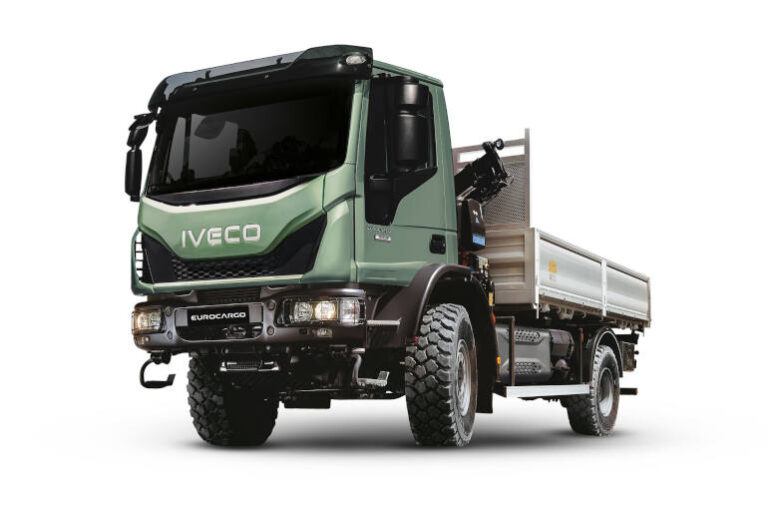
Safety technology is becoming a more influential factor in commercial vehicle purchasing decisions, while interest in electric trucks and vans has slowed compared with expectations from a few years ago.
According to Glen Dyer, Managing Director at IVECO Australia, fleet buyers are increasingly prioritising safety features and operational reliability when assessing new vehicles.
“Being a European manufacturer, safety is at the forefront,” Dyer said. “We follow the European legislation, which means our whole range is just becoming safer.”
New models entering the market are equipped with advanced driver assistance systems and updated safety technology designed to protect drivers, pedestrians and cyclists.

EV interest peaks then softens
Interest in reducing emissions remains part of the long-term discussion in the transport sector, but Dyer said the level of fleet enquiry around electric commercial vehicles has declined from the peak seen several years ago.
“I think about three years ago we saw the interest level peak… with some of our fleet customers saying we’re really interested,” he said. “We’ve seen it wane, partially due to cost.”
IVECO introduced electric vehicles into the Australian market around two years ago with the expectation that demand would grow quickly. However, that growth has been slower than anticipated.
“We bought some electric vehicles in around two years ago with an expectation this would start to take off… we’ve not seen it,” Dyer said.
For many fleet operators, the economics and operational suitability of electric commercial vehicles remain key considerations.
“The cost of buying an electric light commercial vehicle can be up there compared to a diesel variant,” he said.
As a result, traditional internal combustion engine vehicles continue to dominate purchasing decisions for many fleets.
Safety becoming a standard expectation
While emissions reduction remains part of longer-term strategy discussions, safety technology has become an immediate operational priority.
Modern vehicles increasingly include features such as collision avoidance systems, blind spot monitoring, cameras and radar-based detection systems designed to reduce the risk of accidents.
Dyer said large fleets are paying close attention to accident data and using those insights to shape their procurement decisions.
“With some of our major fleets, as soon as they have any kind of accident, they’re assessing the reasons and trying to understand how they can avoid it in the future,” he said.
That process often leads to changes in fleet policies and vehicle specifications to reduce risk exposure.
Fleet maturity influences adoption
The extent to which fleets adopt advanced technology often depends on their level of operational maturity.
Modern telematics systems provide detailed information about vehicle usage, driver behaviour and fuel efficiency, creating opportunities to improve both safety and operational performance.
“We have telematics in our vehicles and the information you can get in terms of fuel efficiency, braking, accident avoidance, live tracking and fuel consumption — all of the information is there,” Dyer said.
The challenge for many fleets is not accessing the data but effectively using it.
“It then just becomes a case of how effective a fleet is at using the information,” he said.
Industries such as mining and government fleets often lead the way in adopting safety technologies, while smaller operators may take longer to implement similar systems.
Reliability still critical for fleets
Alongside safety, reliability remains one of the most important considerations for commercial vehicle operators.
Unlike passenger cars, trucks and vans are essential business assets that generate revenue only when they are operating.
“In commercial vehicles your reputation as a brand kind of hangs on it, particularly on the vehicle staying on the road,” Dyer said.
Ensuring vehicles remain operational is therefore a major focus for both manufacturers and fleet managers.
For operators managing safety obligations and operational risk, the latest safety technology is increasingly viewed as an essential feature rather than an optional upgrade.
As a result, safety systems are quickly becoming a baseline expectation in modern commercial vehicles — and a key factor influencing fleet purchasing decisions.