

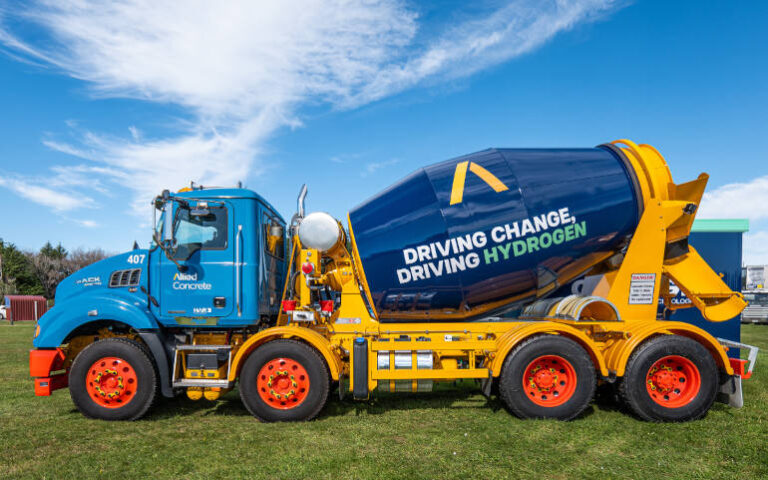
With growing pressure to reduce transport emissions and improve fuel security, hydrogen is emerging as a serious contender for Australia and New Zealand’s heavy vehicle sector. From B-doubles to prime movers, the future of zero-emission road freight may not lie in batteries alone—but in hydrogen.
For Fleet Managers, Sustainability Leaders, and Logistics Operators, hydrogen offers a pathway to decarbonise without sacrificing payload, range, or operational flexibility. And the technology is no longer speculative—it’s already hitting the road.
The Challenge: Heavy Freight, Heavy Emissions
Australia’s freight industry is the backbone of the economy, moving goods across vast distances. But it’s also a major source of carbon pollution. Heavy vehicles make up around 4% of vehicles on Australian roads but contribute more than 20% of road transport emissions.
Battery electric vehicles (BEVs) have been the poster child for low-emission transport—but in the heavy vehicle space, they come with challenges:
- Limited range for long-haul freight
- Long charging times
- Heavy batteries that reduce payload
- Difficulty supporting return-to-base models for regional and interstate routes
Hydrogen offers a complementary solution: fast refuelling, longer range, and lighter drivetrains—making it ideal for linehaul, regional freight, and high-utilisation vehicles.
The Solution: Hydrogen Fuel Cell and Dual-Fuel Technology
Hydrogen vehicles use fuel cells to generate electricity, emitting only water vapour. Fuel cell electric trucks (FCETs) are already operating in New Zealand and Europe, with Australian trials now underway.
“We’re now running 50-tonne B-double hydrogen trucks in New Zealand, with more in production,” said Andrew Clennett, CEO of Hiringa Energy. “The technology is ready—and we’ve got the refuelling network to support it.”
In parallel, dual-fuel hydrogen-diesel trucks are gaining traction. These vehicles inject hydrogen into existing diesel engines, reducing diesel consumption by up to 40% without requiring a new drivetrain.
“Dual-fuel is a game-changer,” Clennett added. “It enables fleet operators to reduce emissions now—using existing assets—while the refuelling network grows.”
This transitional tech is especially valuable for operators with mixed routes or unpredictable fuelling access. If hydrogen is available, use it. If not, continue on diesel.
The Infrastructure: Refuelling Networks Are Underway
Hydrogen’s success in transport hinges on one thing: access to fuel. That’s why companies like Hiringa Energy are building minimum viable networks to support hydrogen trucking.
In New Zealand, Hiringa launched four commercial refuelling stations in April 2024. They’re high-flow, high-pressure hubs built specifically for trucks, located along major freight corridors in Auckland, Hamilton, Tauranga, and Palmerston North.
Australia is next. The company’s GEGHA project in Moree, NSW, will produce 224 tonnes of green hydrogen per year starting in 2027, with plans to expand into a broader East Coast refuelling network.
“You can’t just have one station,” said Clennett. “Fleets need flexibility and reliability. That means creating corridors where hydrogen vehicles can operate without compromise.”
Other players are also entering the space—Viva Energy has opened a public hydrogen station in Geelong, and the NSW, Victorian, and Queensland governments have committed to a Hydrogen Highways initiative.
The Economics: Closer Than You Think
Hydrogen has long been criticised for its cost—but that’s rapidly changing.
- Electrolyser prices are falling
- Green hydrogen production is scaling
- New solar-powered hydrogen hubs like GEGHA reduce cost per kg
- Fuel cell truck prices are dropping with volume
Clennett believes we’ll reach Total Cost of Ownership (TCO) parity with diesel before 2030.
“When you factor in emissions, diesel isn’t paying its full bill,” he said. “Hydrogen doesn’t need to be cheaper than diesel—just close enough to make the sustainability case worthwhile.”
Importantly, road freight emissions are increasingly under scrutiny. Large freight customers—retailers, supermarkets, ports, and manufacturers—are being asked to report on their Scope 3 emissions. Transport is a big part of that.
The Case for Action: Why Fleet and Sustainability Managers Should Pay Attention
For leaders managing logistics, decarbonisation is no longer optional. The combination of regulatory pressure, fuel price volatility, and customer expectations is driving a shift in transport procurement.
Hydrogen provides:
- Zero-emission capability for heavy vehicles
- Fast refuelling times (~10–15 minutes)
- Long range and high payload capacity
- Flexible infrastructure rollout via dual-fuel bridging
It’s also a compelling story for customers. Major corporations are asking suppliers to demonstrate emissions reductions and ESG performance. Hydrogen trucks provide a clear, measurable path.
The Road Ahead
Hydrogen won’t replace diesel overnight. But it doesn’t have to. Dual-fuel adoption, hydrogen corridors, and green production hubs like GEGHA are building the momentum needed to mainstream hydrogen in road freight.
In the next 5–10 years, fleet operators can expect:
- More vehicle availability across fuel cell and dual-fuel platforms
- Refuelling stations along key freight routes
- Green hydrogen produced locally from solar and wind
- Competitive TCO compared to diesel
- Customer preference for low-emission freight services
The opportunity is here—and the technology is already rolling.
“Hydrogen transport isn’t a science project anymore,” Clennett concluded. “It’s running on the road today—and it’s only going to accelerate from here.”
If you’re managing a high-utilisation fleet, long-haul logistics, or regional supply chains, now is the time to explore hydrogen’s role in your emissions reduction strategy. The next generation of heavy freight is clean, quiet—and fuelled by hydrogen.