

The Australian Trucking Association (ATA) has welcomed the Federal Government’s 2035 emissions target and net zero transport roadmap, while calling for three proven measures to help the trucking industry reduce its carbon footprint.
The Government has set a goal of cutting national emissions by 62–70 per cent from 2005 levels by 2035. It has also released a Transport and Infrastructure Net Zero Roadmap and Action Plan, which highlights the role of heavy vehicles in meeting climate targets.
ATA CEO Mathew Munro said the industry was prepared to do its part.
“The earth is warming. Carbon emissions are to blame. The community is calling for action: locally, nationally and internationally,” Mr Munro said.
The ATA’s submission to the Productivity Commission’s net zero transformation inquiry sets out a plan that could reduce 35.1 million tonnes of carbon dioxide over 25 years. It focuses on three key areas:
1. Expanding high productivity freight vehicles
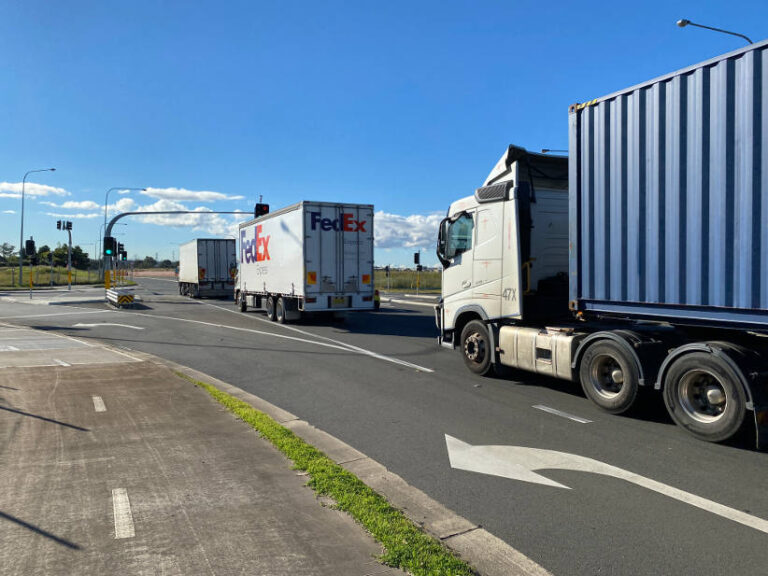
Australia already leads the world in advanced truck and trailer combinations. According to ATA modelling, wider use of high productivity vehicles – along with access for heavier zero-emission trucks – could cut 13.3 million tonnes of carbon emissions by 2050. To achieve this, Munro said targeted infrastructure investment, road upgrades and the National Automated Access Scheme would be required.
2. Introducing a low carbon fuel standard
The Government’s $1.1 billion Cleaner Fuels Program is backing production, but the ATA argues that businesses need policy support to buy the fuel. A low carbon fuel standard would require suppliers to reduce the lifecycle emissions intensity of fuel sold, with compliance achieved through low carbon fuels or investment in charging and hydrogen refuelling networks.
3. Supporting operators with a voucher scheme
The largest barrier to uptake of electric, hydrogen and hybrid trucks remains upfront cost. The ATA has called for a voucher scheme to cover half the price gap between conventional and low carbon technologies, including e-axles, ePTOs, and hydrogen combustion engines.
Munro said these proposals are based on proven international programs.
“Our low carbon fuel standard and voucher scheme proposals are Australian versions of successful programs that are running right now in California, the world’s fourth largest economy. We know they would work.”
The ATA has also rejected suggestions that higher road user charges would encourage freight to shift to rail. Munro pointed to previous Productivity Commission findings showing modal share would remain largely unchanged, even with substantial road charge increases.
For road transport operators, the ATA’s recommendations represent a pathway to cut emissions while maintaining freight efficiency and avoiding new cost burdens.