

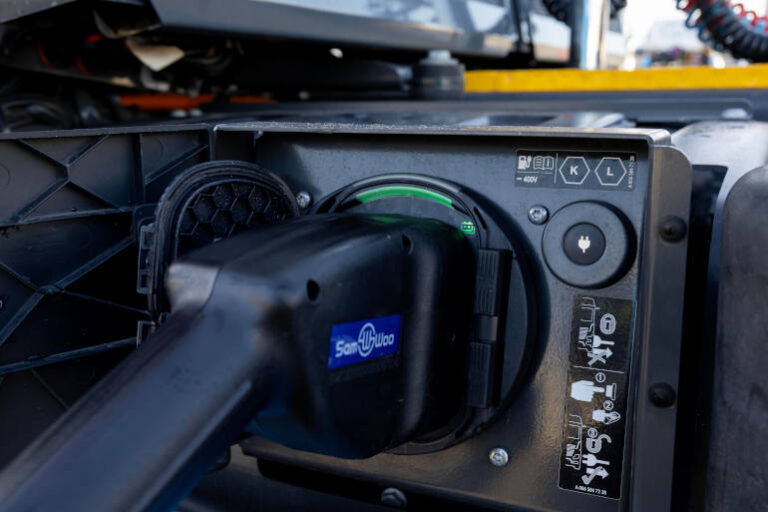
Choosing the right electric truck is only part of the transition to battery-electric vehicles. Planning charging infrastructure, understanding operating patterns and allowing sufficient lead time for electrical upgrades are equally critical to ensuring a successful rollout, according to the latest update to the MOV3MENT Electric Truck Report.
The report emphasises that fleet electrification is an operational change rather than a simple vehicle replacement. Decisions about vehicle specifications, charging capacity and site infrastructure can affect reliability, operating costs and scalability over the life of the fleet. As the report notes, “Fleet transition is complex and can change your entire operation. It’s not just substituting an electric truck for a diesel one, and mistakes can be very costly.”

Matching the vehicle to the task
One of the central themes in the report is the importance of aligning vehicle capability with operational requirements. Battery size, range and charging speed all need to be considered alongside daily distance travelled, payload requirements and dwell time at depots.
Shorter daily routes can help address range concerns but may also reduce the opportunity to recover higher upfront costs through fuel savings. The report highlights that lower utilisation can extend the payback period for electric trucks, particularly in applications with limited operating hours.
Lead times are another practical consideration. Smaller vans and light trucks may be available relatively quickly, while heavier vehicles typically require factory orders and longer delivery schedules.
According to the report:
“Light vans and trucks may be available within weeks. Larger trucks require factory orders with lead times up to 6–12 months.”
Planning charging capacity and infrastructure
Charging infrastructure is identified as one of the most complex elements of fleet electrification. The report outlines several technical and operational factors that can influence charging performance and long-term costs.
A key recommendation is to ensure the charging system matches the vehicle’s capabilities. Installing high-powered chargers that exceed the vehicle’s maximum charging rate can result in unnecessary capital expenditure without improving charging times.
The report advises operators to understand both battery size and charging limits before selecting infrastructure.
“Know each vehicle’s battery size and its maximum DC charging rate. The truck’s charging rate can be the limiting factor so don’t over-invest in fast chargers the trucks can’t handle.”
For many urban operations, overnight charging using lower-power AC chargers may be sufficient, particularly where vehicles are parked for extended periods between shifts.
Timing and energy costs
Charging schedules can have a direct impact on operating costs, especially where electricity tariffs vary throughout the day. The report recommends aligning charging times with off-peak pricing where possible and understanding how network tariffs may affect long-term expenditure.
Operators are also encouraged to consider future energy demand and potential growth in fleet size when designing charging systems. Planning for expansion at the outset can help avoid costly retrofits later.
“Plan for growth over the next three years. A single wall-mounted charger may suffice for one vehicle, but larger setups need an electrical capacity assessment.”
Allowing time for electrical upgrades
Infrastructure lead times can be longer than vehicle delivery times, particularly where grid connections or site upgrades are required. The report notes that electrical works can take between one and two years in some cases, making early planning essential for fleet transition timelines.
“Electrical upgrades and new connections can take 12–24 months. Early planning is essential to meet future fleet expansion needs.”
Coordinating stakeholders across the supply chain
The report also highlights the role of collaboration between fleet operators, vehicle suppliers, customers and infrastructure providers. As electric truck technology continues to evolve, coordinated planning can help manage risk and ensure compatibility between vehicles, charging systems and operational requirements.
This collaborative approach is particularly relevant for fleets transitioning multiple vehicles or operating across several depots, where charging demand and infrastructure complexity can increase quickly.