


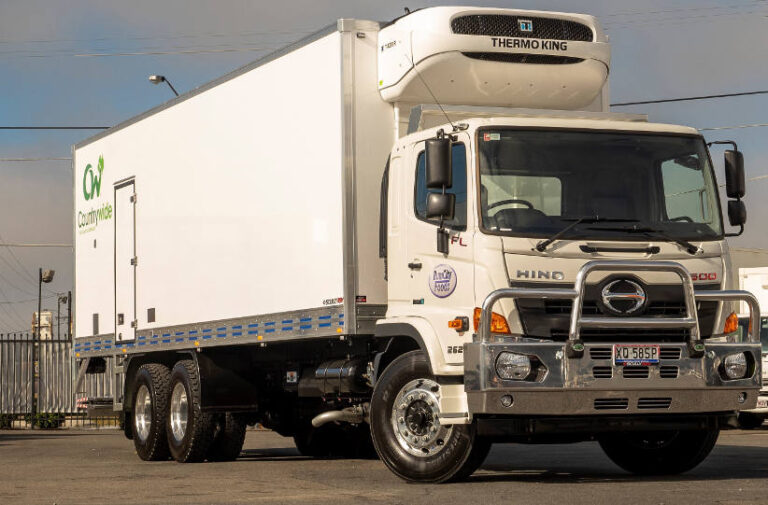
Australia is losing billions of dollars in food each year because of weaknesses in the cold chain, putting pressure on transport operators to improve temperature monitoring, compliance and visibility across their refrigerated fleets.
According to an Australian Government study, at least $3.8 billion worth of food is wasted annually because of weaknesses in the cold food chain, with some of the greatest risks occurring during transport and handling.
As Australian Food Safety Week runs from 7–14 November, the findings highlight the important role heavy vehicle operators play in protecting food quality and reducing avoidable waste.
Patrick Viney, Regional Sales Director – APAC at Microlise, says maintaining the correct temperature is only part of the challenge. Transport operators also need visibility of conditions throughout the journey, particularly when goods move between trucks, loading docks and storage facilities.
Transport presents the biggest challenges
Moving meat, seafood, dairy and fresh produce across Australia creates significant challenges for refrigerated transport operators.
Long distances, delivery delays and refrigeration faults can compromise temperature control, while limited visibility makes it difficult to identify problems before deliveries reach their destination.
For fleet operators, this creates financial and operational risks, including spoiled products, rejected deliveries and potential food safety incidents.
Having accurate temperature records throughout the journey can help operators identify problems earlier and demonstrate that goods have been transported under the required conditions.
Manual compliance processes remain common
Microlise’s Australian Fleet Safety & Compliance Benchmark 2026 found that more than one-third of surveyed transport professionals still rely on manual processes for critical compliance tasks.
For refrigerated transport operators, manual recordkeeping can make it harder to verify temperature conditions, investigate incidents and respond quickly when something goes wrong.
Connected fleet technology and temperature monitoring systems can help address these challenges by providing better visibility of conditions during transport.
The information can also help fleet managers identify recurring problems associated with particular vehicles, routes or refrigeration equipment.
Importantly, better monitoring can reduce the likelihood of rejected deliveries and the financial losses associated with spoiled goods.
Technology is only part of the solution
While connected technology can improve visibility and recordkeeping, it cannot replace properly maintained refrigeration equipment, trained drivers and effective food-handling procedures.
Fleet managers need to consider temperature monitoring as part of their broader maintenance, compliance and operational risk management programs.
The benefits extend beyond food safety. Better cold-chain management can protect product freshness, extend shelf life and reduce waste throughout the supply chain.
Foodborne illness costs Australia around $3 billion annually, according to Food Standards Australia New Zealand, reinforcing the importance of maintaining safe conditions from producer to consumer.
For refrigerated transport operators, the message is clear: knowing where a truck is isn’t enough. Fleet managers also need to know what’s happening to the freight inside it.
As transport businesses look for ways to improve efficiency and reduce costs, greater visibility of cold-chain performance offers an opportunity to protect valuable freight, reduce avoidable losses and strengthen confidence in Australia’s food supply chain.