

Article by Microlise
The heavy vehicle transport sector is one of Australia’s most dangerous industries, with truck drivers 15 times more likely to suffer a fatal workplace injury than the average Australian worker1. According to the National Heavy Vehicle Regulator (NHVR), driver fatigue and distraction are the two leading causes of heavy vehicle accidents2.
For fleet operators, managing distracted driving and its associated risk factors – from fatigue to mobile phone use – is of utmost importance. Apart from serious injury or loss of life, the impacts of heavy vehicle crashes on transport businesses are far-reaching, including costs for vehicle repair or replacement, higher insurance premiums, potential legal fees, and indirect costs such as vehicle downtime and damage to company reputation.
This is why AI driver distraction cameras have become one of the most crucial safety tools in a fleet operator’s arsenal.
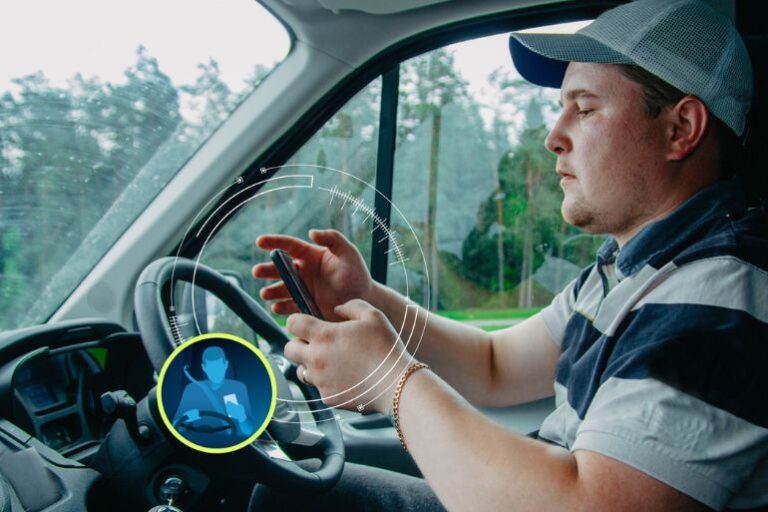
The revolutionary technology uses machine vision (MV) and artificial intelligence (AI) to analyse driver movements and identify specific patterns that could indicate risky behaviour. For example, the cameras can capture everything from device usage and smoking, to eating, drinking, and even improper seatbelt use. When this behaviour is detected, the technology delivers in-cab alerts that empower drivers to change their behaviour and reduce the risk of potential collisions.
By integrating AI distraction cameras into their fleets, transport businesses can significantly reduce these risks, leading to safer roads and lower operational costs.
Here’s why every vehicle should have one.
1. Fewer accidents
By monitoring driver behaviour and providing near real-time alerts, AI distraction cameras can help to significantly reduce the likelihood of accidents. In Microlise’s recent study of 200 Australian fleet operators, 85% said AI distraction cameras had prevented their drivers from having a serious accident. In-cab alerts from AI camera technology also helps drivers become more aware of their driving habits and encourages safer practices.
2. Lower costs
Fewer accidents mean lower costs. Specifically, AI distraction cameras can reduce costs associated with replacement vehicles, missed deliveries and disrupted schedules, insurance excesses, investigations and other administrative tasks. They also provide valuable evidence in the event of an incident, which can help exonerate drivers against wrongful blame, reduce unnecessary court cases and the associated stress for all involved.
Some insurance companies also offer lower premiums to fleets that implement advanced safety measures, recognising the reduced risk of costly claims. According to Microlise research, 66% of fleet operators reported a reduction in insurance claims after implementing AI distraction cameras.
3. Stronger compliance
Following the recent amendments to Heavy Vehicle National Law rolled out in August 2026, regulations around fatigue and driver safety have become even more rigorous. AI distraction cameras can help fleet operators maintain compliance by ensuring drivers adhere to strict safety standards. Furthermore, fleet managers can access detailed reports on driver behaviour, enabling better driver management and identification of risks before they result in an accident.
The takeaway
AI distraction cameras do much more than monitor driver behaviour. They keep drivers safe by preventing accidents, and provide valuable evidence when incidents do occur, potentially protecting drivers against wrongful accusations.
By educating drivers on the many benefits of AI distraction cameras, fleet managers can foster a stronger culture of safety and responsibility within their organisations, which contributes to a safer transport industry overall.
To learn more about Microlise’s range of vehicle cameras, click here.
References
1 https://data.safeworkaustralia.gov.au/profile/whs-profile-truck-drivers