

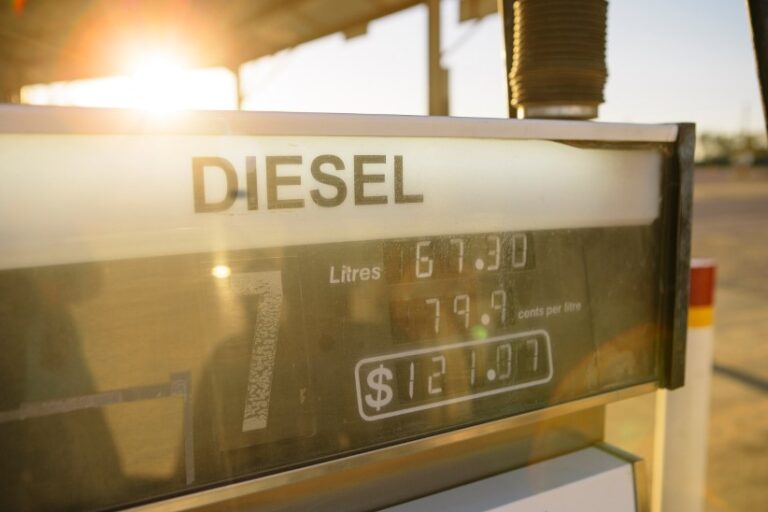
A new road transport contractual chain order requiring regular rate adjustments to recover fuel costs has come into force, following sharp increases in diesel prices linked to conflict in the Middle East.
The Road Transport Contractual Chain Order – Fuel Cost Recovery – 2026 commenced on 21 April 2026 after being issued by an Expert Panel for the road transport industry. The measure is designed to ensure that businesses and workers across transport supply chains can recover higher fuel expenses through contractual rate changes.
What the new order requires
Under the order, parties in road transport contractual chains must adjust rates frequently to reflect rising fuel costs.
From 21 April 2026, primary and secondary parties must review and adjust their rates fortnightly, or twice each calendar month, to ensure fuel cost recovery. Existing rise-and-fall clauses in contracts or industrial arrangements may satisfy the obligation if they already account for fuel price changes.
Disputes that cannot be resolved between parties can be referred to the Fair Work Commission.
The order was introduced after four days of hearings, an engagement conference and a consultation process that included public submissions from industry stakeholders.
Who is affected
The order applies broadly across the road transport supply chain, covering both businesses and workers involved in performing transport work.
It does not apply to the cash-in-transit sector, and some individuals may be excluded where the Fair Work Act 2009 determines they are not part of a contractual chain.
In practical terms, the changes are expected to affect operators, prime contractors, subcontractors and owner-drivers who rely on contract rates that may not automatically adjust with fuel price movements.
When the order will end
The fuel cost recovery order is temporary and linked directly to diesel price levels.
It will cease if the weekly average national terminal gate price for diesel falls below $2 per litre, and the measure will be reviewed after one month of operation and then every three months.
This built-in review mechanism reflects the time-sensitive nature of the decision, which was introduced in response to sudden cost increases rather than as a permanent regulatory change.
Compliance and support
The Fair Work Ombudsman is responsible for providing information and advice about the order and may investigate compliance issues if required.
For transport businesses, the immediate priority is likely to be reviewing contract terms and pricing arrangements to ensure they can demonstrate compliance with the new rate adjustment requirements.
While the order aims to address cost pressures, it also introduces administrative and contractual considerations that may require updates to billing cycles, fuel surcharge mechanisms or contractual documentation across supply chains.