

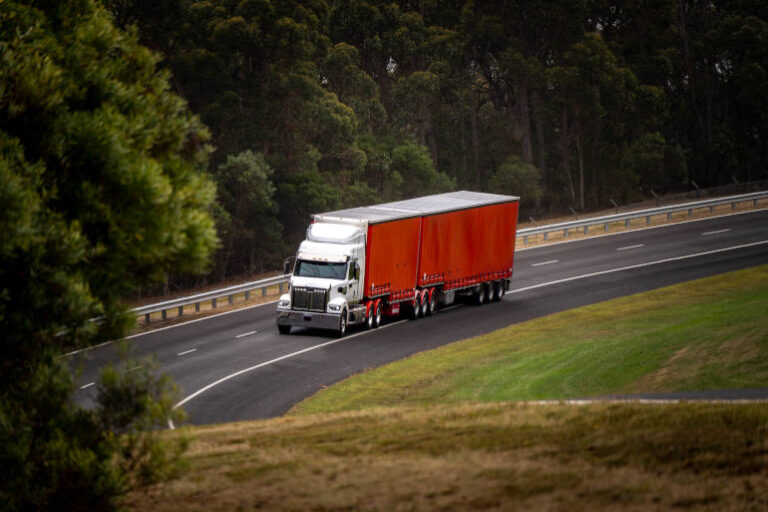
The Australian Trucking Association is urging the Federal Government to extend its temporary reductions to fuel excise and the heavy vehicle road user charge beyond June 30, warning that a sudden return to full rates could put further strain on trucking businesses already facing elevated fuel costs.
ATA CEO Mathew Munro said the industry needed certainty as fuel markets remained volatile and operators worked to recover rising costs through freight rates and fuel levies.
From April 1, fuel excise was reduced by 32 cents per litre, falling from 52.6 cents per litre to 20.6 cents per litre. The heavy vehicle road user charge was also reduced from 32.4 cents per litre to zero.
Both measures are due to end on June 30.
For heavy vehicle businesses, the road user charge is particularly important because it affects the fuel tax credits operators claim through their business activity statements.
Munro said restoring both charges in full at the end of June would create a significant cost shock for operators, particularly small trucking businesses.
“There are trucking businesses teetering on the brink, and a big jump could be disastrous for them,” Munro said.
He said that while the Fair Work Commission’s fuel cost recovery order had helped many operators recover some of their fuel cost increases, the process was not always quick enough to deal with a large overnight increase.
“The Fair Work Commission’s fuel cost recovery order has helped many trucking businesses recover more of their fuel costs, but the order only requires rate adjustments or fuel levy changes every fortnight or twice a month,” Munro said.
“That’s a long period for a small trucking business to have to pay an extra 32 cents per litre for fuel with no prospect of getting the money back, and some businesses are not getting timely or full rate adjustments anyway.”
The ATA is also concerned that a full return to excise and the road user charge on July 1 could lead to a sharp increase in fuel buying before the deadline, as motorists and operators seek to purchase fuel at the lower rate.
The association’s preferred position is for the full reduction to be extended until the fuel supply crisis has passed and prices have stabilised.
However, Munro said a staged return over the following three months could provide a more manageable transition.
Under that option, fuel excise and the heavy vehicle road user charge would need to increase in parallel, with monthly adjustments aimed at reducing the number of fuel tax credit changes businesses need to process.
“Monthly increases would minimise the number of fuel tax credit changes that businesses would need to process, while enabling the transition to occur within a reasonable time,” Munro said.
He said the staged approach would also give the Government flexibility to delay further increases if international fuel supply conditions remained uncertain.
Munro said the trucking industry was likely to face elevated fuel prices for some time, even if global conditions improved.
“We are still likely to see 9-12 months of elevated prices as global supply chains return to normal and economies restore their fuel reserves – and all of that assumes the peace deal holds,” he said.
The ATA represents the Australian trucking industry through 13 member associations, representing around 60,000 businesses and 200,000 people.