Dash cams have traditionally been associated with providing evidence after a collision, but Australian fleets are increasingly using video telematics as part of a broader approach to driver safety and risk management.
The Geotab Report 2026: Connected Fleets in Australia found 65% of respondents using in-cab video reported improved driver safety.
A further 61% reported a reduction in false claims, while 49% reported lower safety incident costs and 39% reported reduced insurance costs.
The report also found 77% of Australian businesses using in-cab video considered the technology “very” or “extremely” beneficial for managing their fleet.
Forty-five per cent of respondents with a video solution reported achieving a positive ROI within one year or less.
These results represent the proportion of surveyed organisations reporting each outcome rather than the percentage reduction achieved.
From recording incidents to managing risk
The shift is important because a camera that is only reviewed after a crash has limited preventative value.
Newer video telematics systems can combine footage with vehicle information and driver-behaviour events, giving Fleet Managers an opportunity to identify patterns before they result in a serious incident.
The report describes video telematics as having moved from passive recording to a “visual shield” for fleet operations.
For Fleet Managers, however, the value depends on how the information is used.
A speeding, distraction or following-distance alert can provide the basis for a conversation with a driver. Repeated events can identify where additional coaching or training may be required.
Used effectively, the system becomes part of a driver safety program rather than simply another source of footage.
False claims remain an important benefit
Reducing false claims was one of the strongest reported benefits.
This can be particularly significant for fleets where vehicles spend large amounts of time on the road and minor incidents are relatively common.
Video can provide additional evidence about what occurred before and during an incident, assisting internal investigations and insurance processes.
For drivers, that evidence can also be valuable where another road user incorrectly attributes responsibility for an incident.
The report found that the benefits varied between industries, with improved driver safety, reduced false claims and reduced safety incident costs all appearing prominently across freight, services, utilities, oil and gas, and government respondents.
Cameras are only part of the safety system
Video telematics should not be viewed as a substitute for fleet safety management.
Technology can identify events, but organisations still need clear policies around how footage is collected, reviewed and used.
Drivers also need to understand why cameras are installed, which behaviours are being monitored and what happens when an event is identified.
For Fleet Managers, this makes implementation as much a change-management exercise as a technology project.
The strongest results are likely to come when video data sits alongside driver induction, coaching, incident investigation, fatigue management and broader workplace safety processes.
The Geotab findings suggest Australian fleets are increasingly looking beyond the traditional dash cam.
The camera may still provide evidence after an accident, but its greater operational value could be in helping Fleet Managers identify and address risk before the next incident occurs.
- REMONDIS Tests a Cleaner Way to Collect Waste
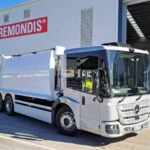
 REMONDIS Australia has trialled a Mercedes-Benz eEconic electric waste collection truck in Brisbane, exploring how the technology could support emissions reduction across its 600-truck Australian fleet. The battery-electric eEconic 6×2 undertook commercial waste collection duties during August 2026. Built to comply with Australian truck mass and dimension requirements, the trial vehicle combined Mercedes-Benz’s electric drivetrain
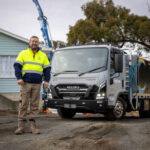
 - Great Bay Builds Smarter with IsuzuHobart-based Great Bay Construction has added an Isuzu NPR 45-175 Tradepack to its operations, equipping the truck as a mobile workshop and office to support its residential building and development projects. The customised truck carries tools, provides power for charging equipment and allows machinery to be refuelled on site. For Managing Director Shane Spaulding, the
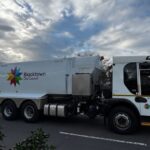
- Blacktown targets the biggest emitters firstElectrifying passenger vehicles might deliver some quick wins for fleet emissions, but Blacktown City Council is looking further down its fleet list to find where the biggest emissions are actually being produced. That has put garbage trucks firmly in the spotlight. Speaking during the Fleet News Group Awards finalists panel at Everything Electric Sydney, Blacktown
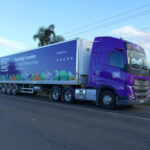
- Foodbank Expands Regional Delivery Network with VolvoA Volvo FH I-Save prime mover has helped Foodbank NSW & ACT expand its transport capacity, reduce reliance on outsourced freight and reach more regional communities during its first year in operation. The truck, paired with a Vawdrey refrigerated trailer, joined the Foodbank NSW & ACT fleet in 2025 and has since travelled almost 15,000
- LinCon Builds its Heavy Fleet Around ScaniaLinCon Hire and Sales is expanding its Scania fleet as the specialist access equipment operator looks for all-wheel drive capability, fuel efficiency and reliability across some of Australia’s most demanding worksites. Brisbane-based LinCon Hire and Sales has committed to a significant expansion of its Scania fleet, with the specialist elevating work platform operator taking delivery