

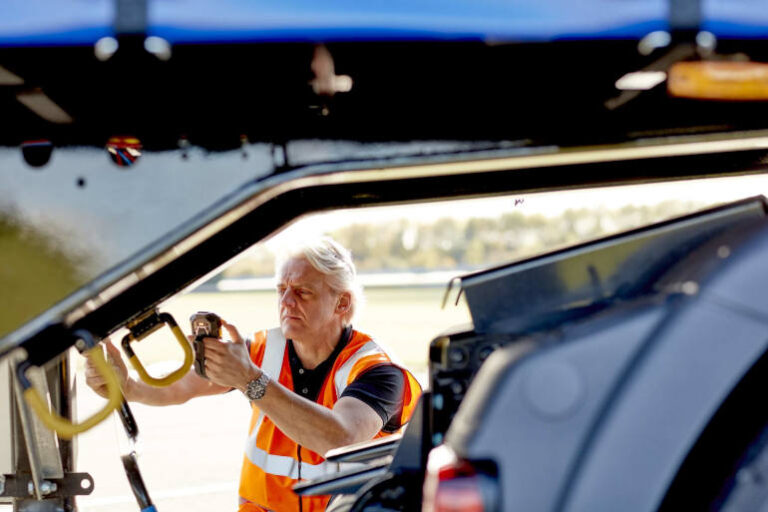
Transport operators looking to retain experienced drivers need to consider more than pay and recruitment, with new research highlighting the pressures that make people consider leaving the industry.
Long working hours, compliance requirements and manual paperwork are among the concerns identified in the Microlise Australian Fleet Safety & Compliance Benchmark 2026, which surveyed 200 Australian transport and logistics professionals.
The survey found 44% of respondents were considering leaving the sector within the next five years. Of those surveyed, 42% also said their mental health had been affected by working in logistics.
Shaun Gray, Head of Operations – APAC at Microlise, says technology can help improve the daily experience of drivers by reducing administrative work, supporting safety and giving them better tools to do their jobs.
However, technology alone will not solve driver attrition. Operators also need to create a workplace where drivers feel supported and valued.
Reducing daily pressures
Truck drivers face pressures that operators cannot always control, including congestion, difficult road conditions, tight delivery windows and unexpected delays.
But better communication and access to information can help drivers manage those challenges. Route planning and optimisation tools, for example, can identify more efficient routes and respond to changing conditions, reducing unnecessary kilometres and giving drivers a clearer picture of their day.
Administrative work is another source of frustration. In the Microlise survey, 22% of respondents identified an overreliance on paperwork and manual processes as a reason for considering leaving the industry.
Electronic proof of delivery can reduce the paperwork associated with each job and give office teams faster access to delivery records. That can also help resolve disputes without adding to the driver’s workload.
For fleet operators, the cumulative benefit of removing small delays and repetitive tasks can be a less stressful working day.
Supporting safer drivers
Safety remains a major concern for truck drivers and their families. Microlise says its research found 83% of transport professionals believed advances in technology had made their drivers feel safer compared with five years ago.
The technologies attracting investment include advanced driver assistance systems, active vehicle safety systems, multi-camera systems, telematics and driver behaviour monitoring.
AI-enabled cameras can alert drivers to potential risks such as distraction, mobile phone use or signs of drowsiness. Camera footage can also help operators understand incidents involving other road users and identify opportunities to improve safety.
In the Microlise survey, 85% of respondents said AI distraction cameras had prevented their drivers from having a serious accident. This reflects respondents’ views of the technology’s impact.
Investing in safety equipment can also demonstrate to drivers that their employer is taking their wellbeing seriously.
Coaching and recognition
The way fleet operators use safety data can influence how drivers feel about technology in the cab.
Information about harsh braking, speeding or other driving events can support conversations about training and help managers understand where a driver may need additional assistance. It can also be used to recognise safe driving and improvements over time.
For drivers, the difference may come down to whether the technology is introduced as a tool for support and coaching or experienced as another form of monitoring.
Clear communication about what data is collected, how it is used and how drivers can provide feedback can help build trust.
Making the job better
Experienced drivers are essential to keeping freight moving, and replacing them can be difficult in a competitive labour market.
Technology gives transport businesses an opportunity to address some of the frustrations that accumulate during a working day. But it works best alongside good leadership, communication, practical training and recognition of drivers’ contribution.
For fleet operators, improving retention starts with understanding the experience of the people behind the wheel and finding ways to make their work safer and more manageable.