
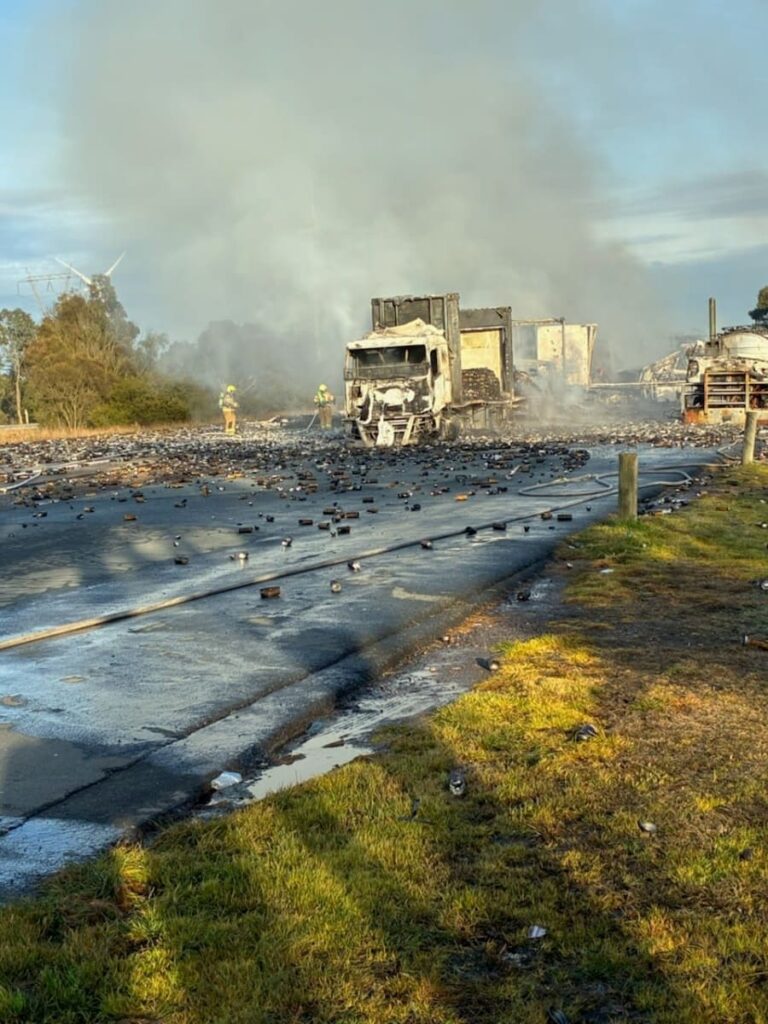
A major crash involving seven semi-trailers near Gunning in NSW’s Southern Tablelands last week was a sobering reminder that serious incidents can occur quickly in heavy vehicle operations.
The Hume Highway was closed in both directions near Breadalbane after two trucks reportedly collided shortly after 5am on 30th June before entering a roadside rest stop and striking five other rigs.
The resulting fire was intensified by the freight being carried. One truck was transporting eight tonnes of butane cans, while other loads included resin, memory foam and alcohol. Four drivers escaped the wreckage, but another driver had not been located as emergency crews responded.
Fire and Rescue NSW deployed seven fire trucks, including two hazardous materials appliances, and up to 40 firefighters. Police, ambulance, Rural Fire Service and traffic management crews were also involved, with a 300-metre exclusion zone established around the site.
Investigations will determine what caused the crash. However, incidents of this scale reinforce why heavy vehicle safety must remain an active operational focus, not simply a compliance exercise.
For transport operators and supply chain partners, that means continually managing the practical risks around fatigue, journey planning, vehicle maintenance, load security, dangerous goods, rest locations, emergency response and safe work practices.
Chain of Responsibility obligations require all parties involved in heavy vehicle transport activities to take reasonable steps to manage safety risks within their control. That responsibility extends beyond the driver and transport operator to the broader businesses that influence how, when and under what conditions freight is moved.
Safety systems, procedures and records remain essential. But the real test is whether controls are effective in day-to-day operations, particularly when unexpected conditions, high-risk loads or multiple vehicles are involved.
This incident is a reminder for every business connected to heavy vehicle transport: accidents do happen, and the work of preventing them needs constant attention.
- Scania G- and R-Series Take Top Safety Honours
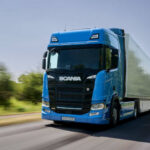
 Scania’s G-series and R-series have achieved five-star ratings in Euro NCAP’s haulage assessment, recording a 96 per cent score for crash avoidance. The results cover four configurations: G-series and R-series 4×2 prime movers and 6×2 rigid trucks. Both model ranges also received Euro NCAP’s City Safe Award, adding to the five-star results previously achieved by
 - From incident to fleet redesign: what City of Gold Coast can teach fleet practitionersA serious workplace incident involving a City of Gold Coast tipper truck provides a powerful example of why fleet safety goes well beyond driver behaviour — and why fleet practitioners have an important role in designing, procuring and managing safer vehicles. The lessons from the incident, and the extensive work undertaken by the City of
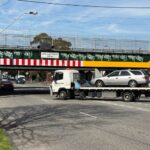
- Minor Bridge Strikes Are Creating a Major BillThe most spectacular bridge strikes attract the headlines, but a new economic study suggests Australia’s biggest bridge-strike bill is being generated by much less dramatic incidents. HoustonKemp Economists estimates protection beam and signage strikes accounted for 79 per cent of Australia’s approximately 1,220 bridge-strike incidents in FY2025. Despite being the lowest severity category used in
- Buying Telematics Won’t Make Your Fleet SafeTelematics can tell a fleet manager where vehicles are, how they are being driven and where risks may be developing. But technology alone does not create a safe fleet. That is the view of Andrew Hutson, Director at Geosecure, who says the strongest fleet safety programs are built around organisational culture, leadership and a willingness
- From compliance to coaching: how fleets can use driver data to change behaviourMost drivers in Teletrac Navman’s survey already receive some form of performance feedback. The more useful question for fleet operators is how that feedback is delivered, and whether data is being used to develop drivers or simply record mistakes. Fleet safety technology can identify events quickly, but a dashboard does not decide what happens next.